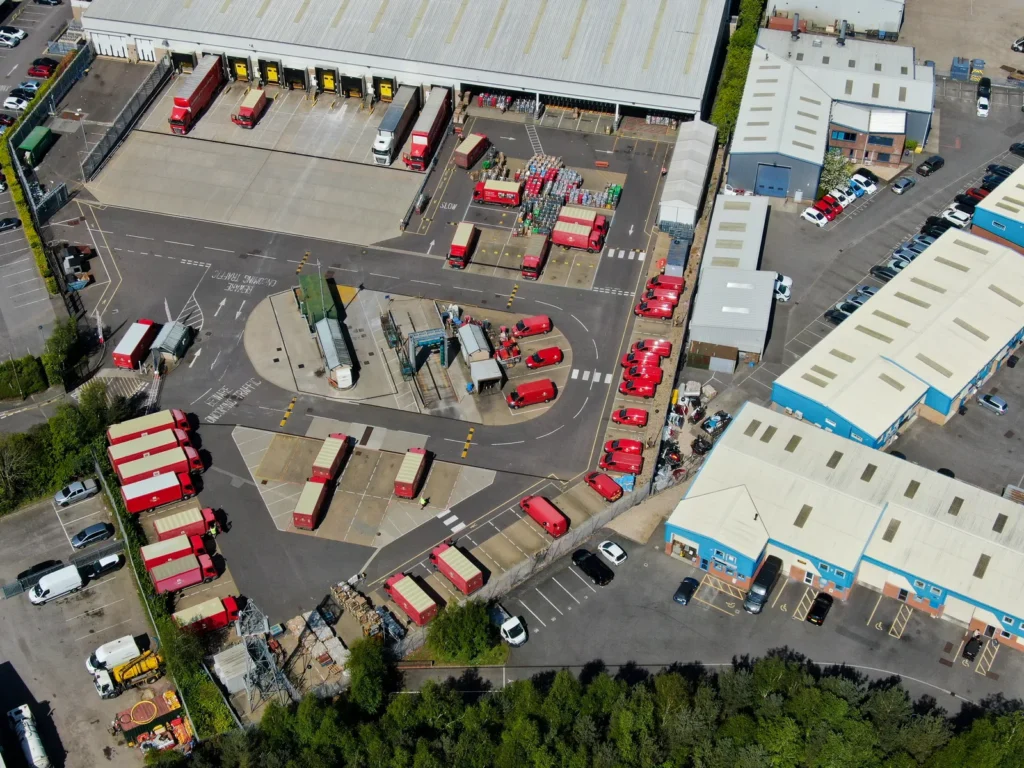
The cost of an operator licence is not just the application fee. That figure is the smallest part of what running vehicles under an operator licence actually involves. The ongoing cost of compliance, and the cost of getting compliance wrong, are usually considerably larger.
Current application fees are published on GOV.UK: Operator licence fees.
What the real costs involve
Financial standing is a continuing requirement, not a one-off check at application. Operators holding a standard national or standard international licence must maintain the required level of accessible financial resources throughout the life of the licence. For a fleet of any significant size, that is a material ongoing obligation, not a paperwork exercise.
Beyond financial standing, the costs of maintaining a compliant operation include maintenance contracts, PMI inspection fees, brake testing, defect repair, tachograph analysis software, driver management systems, Transport Manager oversight and the management time required to keep records in order. For operators on a standard national or standard international licence who need a professionally competent Transport Manager, that responsibility either requires a qualified internal appointment or an arrangement with an External Transport Manager.
None of this is optional. These costs are part of operating legally.
The cost of getting it wrong
Regulatory intervention is expensive. Vehicle prohibitions cause operational disruption. A public inquiry, even where the licence is ultimately retained, involves significant management time, often legal fees and the kind of reputational attention operators would prefer to avoid. Poor OCRS performance can affect contracts and customer relationships before any formal regulatory contact occurs.
In our experience, operators who underinvest in compliance early consistently end up spending more correcting it later, usually under time pressure and with regulators already engaged.
What operators often misunderstand about licence costs
- The application fee represents a small fraction of the true cost of operating under a licence.
- Financial standing must be maintained at the required level throughout the licence, not just evidenced at application.
- Standard licence holders must ensure professional competence through a qualified Transport Manager, an ongoing commitment with real cost implications.
- Maintenance costs are unavoidable. PMI inspections, brake testing, defect repair and record keeping all require resource.
- Poor compliance does not reduce costs. It defers them and usually multiplies them.
A practical review can cover
- Whether the current licence type matches the actual operation being carried out.
- Financial standing requirements for current vehicle authorisation numbers.
- Transport Manager arrangements and whether the level of oversight is proportionate to the fleet size.
- Maintenance contracts, PMI schedules, brake testing arrangements and their associated costs.
- Tachograph analysis, drivers’ hours controls and defect reporting systems.
- Operating centre suitability and any variations that may be required.
- Areas where compliance investment now reduces the risk of larger costs later.
When to request support
Before a new licence application is the most obvious point, but support is also useful when expanding a fleet, appointing a new Transport Manager, changing maintenance providers or reviewing whether current compliance arrangements are proportionate to where the business now is. Operators preparing for a variation or renewal where costs may change are also common enquiries.
Understanding operators licence cost
When operators ask what an operators licence cost really comes to, the application fee is the smallest part. The ongoing operators licence cost — financial standing, maintenance, brake testing and Transport Manager oversight — is what determines the true figure.