ADR signs are one of the quickest ways to identify the hazards associated with a dangerous goods load. This quick reference explains what the markings mean and what to verify against the transport document before a regulated journey.
This visual quick reference puts the hazard symbol beside its class, plain-English meaning and the check a transport manager should make. It covers the main class labels first, then the package marks and orange plates that commonly cause confusion. Use it to recognise and verify markings against the transport document, not to design or print compliance labels.
ADR class symbols at a glance
| Symbol | Class | Meaning | Transport manager check |
|---|---|---|---|
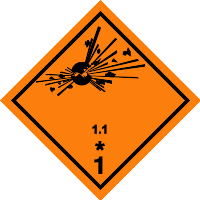 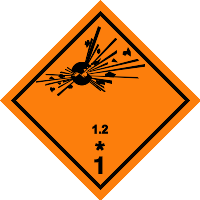 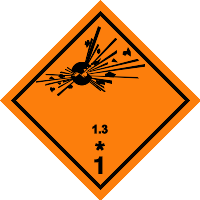 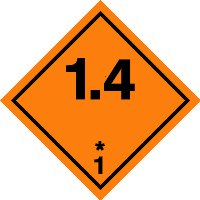 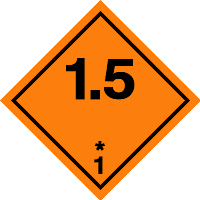 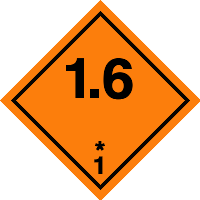
|
1 | ExplosivesDivisions 1.1 to 1.6 distinguish mass explosion, projection, fire and confined effects. | Read the division number and compatibility letter. Do not treat every orange explosive diamond as the same hazard. |
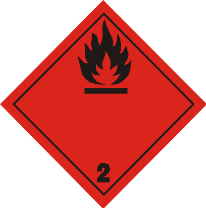 |
2.1 | Flammable gasIncludes flammable gases and aerosols. | Confirm the gas classification on the transport document; do not confuse it with Class 3 liquids. |
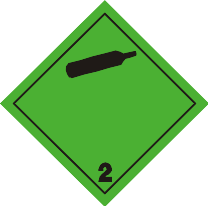 |
2.2 | Non-flammable, non-toxic gasThe green cylinder label does not mean the gas is harmless. | Check the cylinder or package label is present, legible and consistent with the document. |
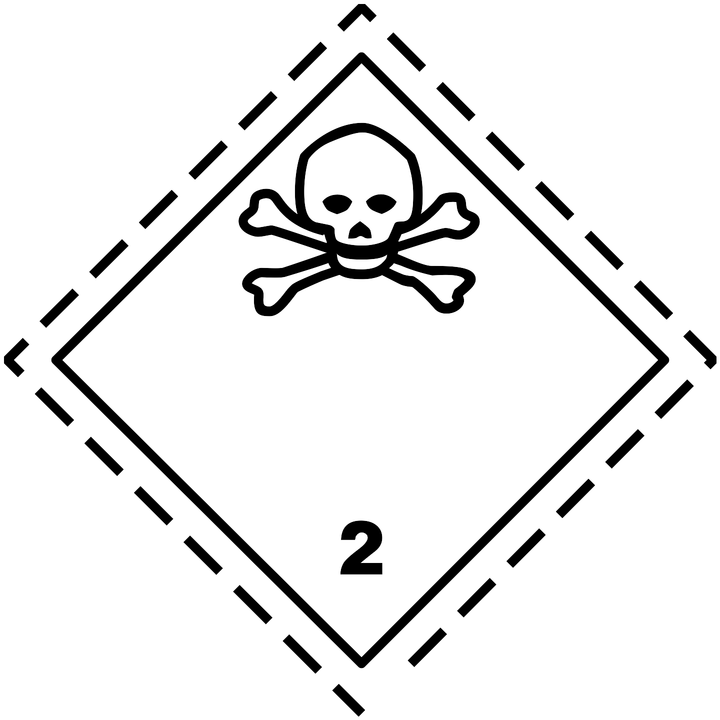 |
2.3 | Toxic gasAcute toxicity shown by the skull and crossbones. | Verify that the toxic-gas label and any subsidiary hazard label match the declared goods. |
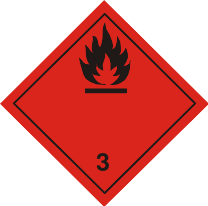 |
3 | Flammable liquidCommon examples include fuels, paints, thinners and adhesives. | Match the red flame label to the UN number, proper shipping name and quantity carried. |
 |
4.1 | Flammable solidAlso covers self-reactive substances and related hazards. | Look for the red-and-white striped label rather than relying on the flame symbol alone. |
 |
4.2 | Spontaneous combustionSubstances liable to heat or ignite without an external flame. | Confirm the white-over-red diamond is not mistaken for another flammable class. |
 |
4.3 | Dangerous when wetEmits flammable gas on contact with water. | Check the blue diamond and keep handling instructions aligned with the water-reactive hazard. |
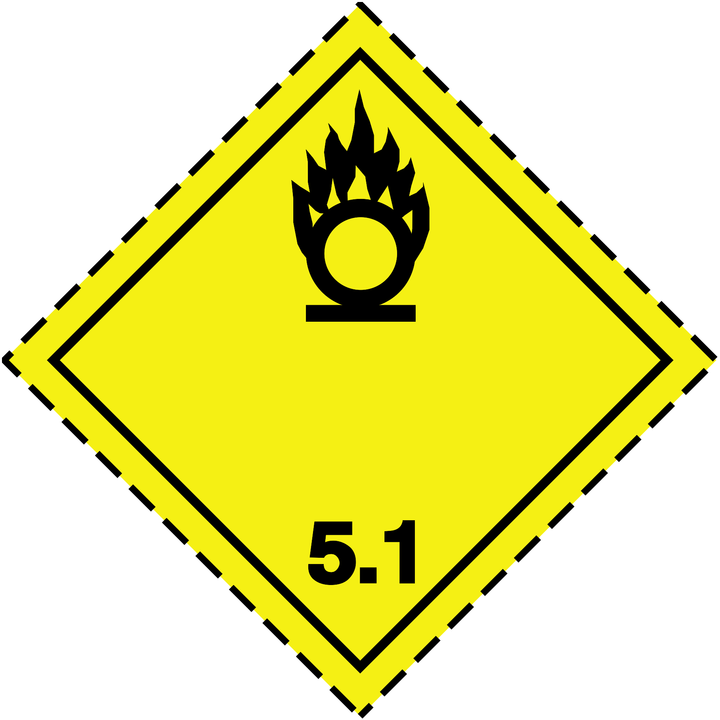 |
5.1 | Oxidising substanceMay cause or intensify fire. | Recognise the flame-over-circle symbol and verify segregation and paperwork requirements. |
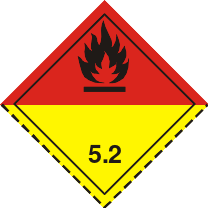 |
5.2 | Organic peroxideA thermally unstable oxidising hazard. | Distinguish the red-over-yellow peroxide label from the yellow Class 5.1 label. |
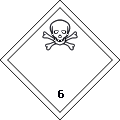 |
6.1 | Toxic substanceAcute toxicity in a solid or liquid classification. | Do not confuse the skull symbol with Class 2.3; confirm the physical state and class number. |
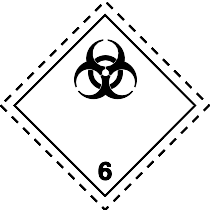 |
6.2 | Infectious substanceMaterial known or expected to contain pathogens. | Check the biohazard label, package condition and declared category before acceptance. |
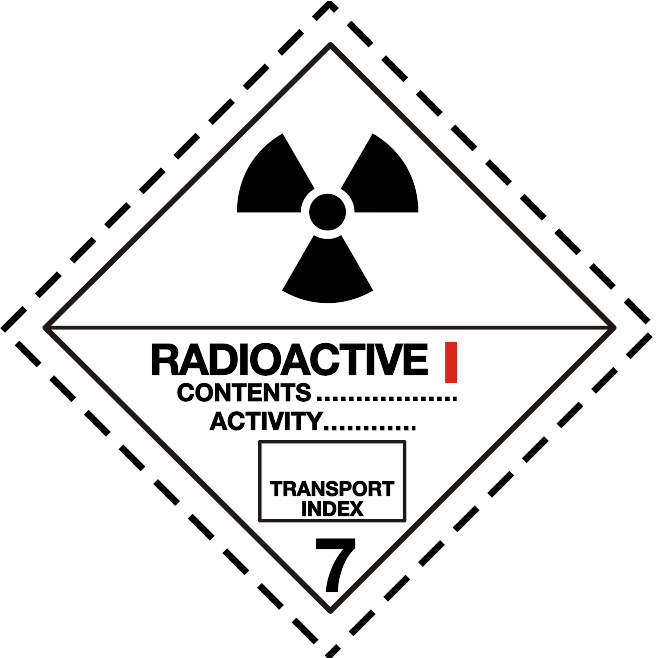 |
7 | Radioactive materialPackage labels vary by category and transport index. | Read the category, contents, activity and transport index fields; this image is the Category I White example. |
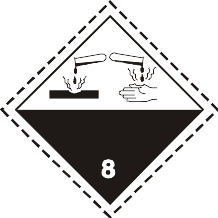 |
8 | Corrosive substanceShown damaging skin and metal. | Confirm packages are sound and the corrosive label matches the transport document. |
  |
9 / 9A | Miscellaneous hazardsModel 9A is the package label used for specified lithium and sodium-ion battery entries. | Do not use Model 9A as a vehicle placard. Check which label the package entry requires. |
Recognition only: these examples are not print-ready compliance artwork. Dimensions, colours, durability, reflectivity and the exact load-specific requirement must be checked against ADR and competent dangerous-goods advice.
Common marks and orange plates
| Symbol or plate | What it means | What to check |
|---|---|---|
 |
Environmentally hazardous substanceDead fish and tree mark. | Confirm whether the classification requires the mark in addition to the hazard label. |
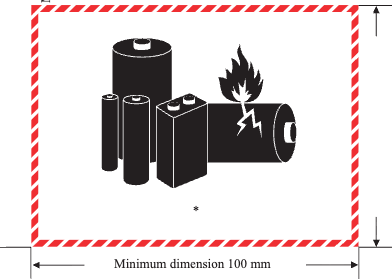 |
Battery markUsed for applicable lithium or sodium-ion battery packages. | Check the applicable battery provision and whether a Class 9A label is also required. |
 |
Orientation arrowsShows the correct upright position for applicable combination packages. | Check arrows appear on the required opposite sides and remain visible. |
 |
Limited quantitiesIdentifies packages using the Chapter 3.4 provisions. | Do not assume the mark removes every ADR duty. Confirm the substance and quantity limits. |
 |
Plain orange plateVehicle-level warning without a substance number. | When required, check plates are fitted front and rear, clean and visible. Remove or cover them when they no longer relate to the load. |
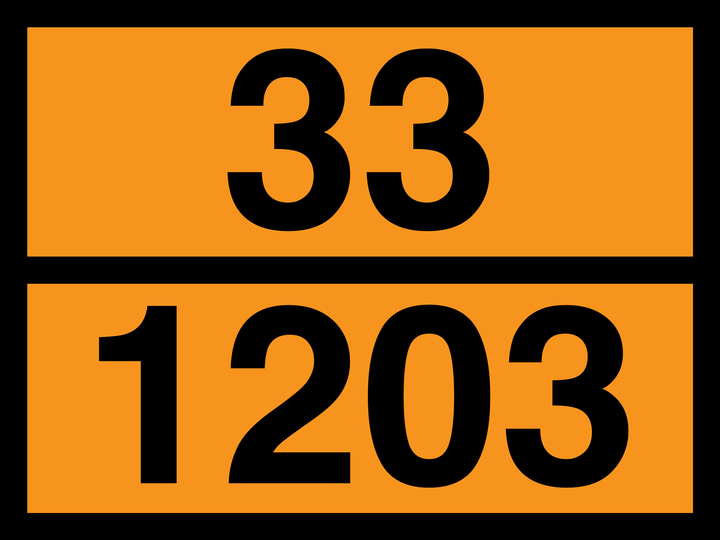 |
Numbered orange plateHazard identification number above the UN number. | Confirm both numbers match the substance and carriage configuration shown on the transport document. |
Always use this table alongside the transport document. A hazard label identifies the class, while the transport document confirms the UN number, proper shipping name and quantity being carried. If a marking does not match the paperwork, resolve the discrepancy before the vehicle leaves.
In Great Britain the Carriage of Dangerous Goods and Use of Transportable Pressure Equipment Regulations 2009 apply ADR to domestic journeys. The ADR 2025 edition took effect from 1 January 2025, with the transitional period ending on 30 June 2025. GOV.UK’s guidance on moving dangerous goods is a practical starting point when confirming a duty.
Labels, placards and marks do different jobs
Confusion usually starts with vocabulary, because drivers, consignors and agency staff all say “ADR signs” and mean different things. Package hazard labels are the diamonds on drums, boxes and IBCs, from Chapter 5.2 of ADR, and they identify the hazard class of what is inside the package. A pallet of aerosols shows the Class 2.1 diamond on each carton, not on the vehicle.
Placards are the enlarged diamonds on the outside of vehicles, tanks and containers under Chapter 5.3, read together with the orange plates. Where ADR requires orange plate marking for the transport category, a vehicle carrying packaged goods normally displays plain orange plates front and rear. Tanks and vehicles carrying dangerous goods in tanks may require numbered orange plates showing the hazard identification number above the UN number. Confirm the marking requirement for the substance and carriage configuration against ADR.
Marks serve a different purpose from hazard labels and placards. Examples include the environmentally hazardous substance mark, the limited quantities mark and the elevated temperature mark. A qualifying limited-quantity package may display the limited quantities mark without a hazard label, subject to the substance-specific quantity, packaging and other conditions in ADR Chapter 3.4. The absence of a hazard diamond does not therefore prove that a package contains no dangerous goods.
A practical pre-journey checking routine
- The transport document lists each UN number, proper shipping name, class and quantity, and the figures reconcile with what is actually on the vehicle.
- Package labels match the document. Any package with a missing, damaged or wrong diamond does not travel.
- Vehicle marking matches the load: where ADR requires orange plates, they are correctly fitted, clean and visible, and are removed or covered when they no longer relate to the load.
- The driver holds a valid ADR training certificate for what is being moved, and when the small load relief in ADR 1.1.3.6 is relied on, the calculation is confirmed in writing rather than assumed.
- The equipment required by the written instructions, including extinguishers, is on the vehicle and in date.
A documented routine provides evidence that checks were completed and helps the operator review its controls during an audit or after a roadside inspection.
Common compliance issues
Common issues include orange plates left displayed after the dangerous load has been removed, placards that are faded or obscured, and package labels that do not match the transport document. Each creates uncertainty for the driver, inspectors and emergency responders. Resolve any mismatch before the journey begins.
ADR assigns duties to several participants, including the consignor and carrier. A carrier should not assume that another party’s involvement removes its own checks. If package labels do not match the transport document, pause the collection and follow the operator’s escalation procedure before accepting the load.
Where the transport manager’s duty stops and the DGSA’s begins
A transport manager needs enough understanding to spot a mismatch and follow the operator’s documented process. Classification, packaging and marking decisions should be confirmed by the consignor and, where required, a dangerous goods safety adviser or another suitably competent adviser. Whether a DGSA appointment is required depends on the operation and any applicable exemption; the HSE’s carriage of dangerous goods pages explain the framework. A useful distinction is: if the question is “what does this marking mean and does it match the paperwork?”, it falls within routine transport management checks. If the question is “what marking should this consignment carry?”, refer it for competent dangerous-goods advice and keep the answer with the transport record.
Dangerous goods responsibilities can develop gradually as customers introduce new products or traffic. A documented checking process helps keep responsibilities clear before vehicles leave the operating centre. The collection routine above should sit within the operator’s wider controls; our operator licence compliance checklist and DVSA audit readiness pack provide related record-keeping prompts.
Official sources worth bookmarking
Keep the source material one click away rather than relying on memory: GOV.UK’s moving dangerous goods guidance, the ADR 2025 agreement text at UNECE, the 2009 GB carriage regulations and the HSE carriage of dangerous goods pages. Between them they answer the marking, training and DGSA questions that come up in a normal transport office.
Frequently asked questions
Do ADR signs apply to my vans?
ADR duties depend on the goods, quantities and applicable exemptions rather than the vehicle category alone. A van carrying dangerous goods may therefore be subject to marking, documentation, equipment and driver-training requirements. Confirm any relief under ADR 1.1.3.6 or another exemption against the current provisions.
Who is responsible if a load arrives with wrong or missing labels?
ADR assigns classification and package-marking duties to the consignor and separate checking duties to the carrier. If package labels do not match the transport document, pause the collection and follow the operator’s escalation procedure before accepting the load.
Does a transport manager need an ADR qualification?
Being a transport manager does not replace or automatically create the separate ADR driver-training and DGSA requirements. Check the person’s actual duties and any applicable exemptions. A transport manager who also drives a regulated load or acts as the DGSA must meet the requirements for that role. This quick reference supports routine recognition and document checks; it is not a substitute for the required training or competent dangerous-goods advice.
Turn the free resource into practical support
The PDF gives you the basic version to work from. These related ETM services help you check the detail, fill the gaps and put the right evidence in place.
Request quotes from UK transport managers and consultants
Send one request through ETM and invite suitable listed providers to respond. Any quotes received are shown in your ETM dashboard and sent by email; responses depend on provider availability. Providers can help with operator licence compliance, DVSA audit preparation, drivers’ hours, maintenance systems and more.